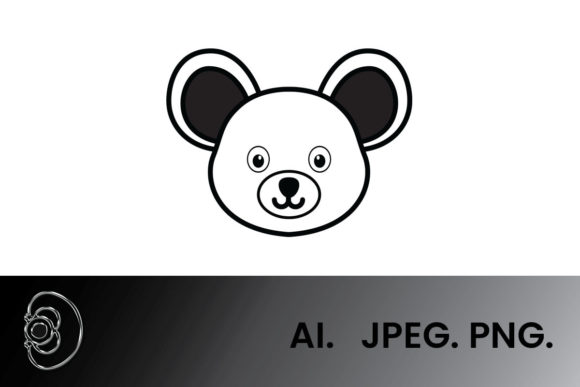
Black and White Animal Mouse Head: A Designer's Versatile Asset
There’s a certain charm in simplicity, and the Black and White Animal Mouse Head typeface captures it perfectly. This isn't just another display font; it’s a character-driven creative font with a distinct personality. Imagine the clean, familiar silhouette of a mouse, translated into a bold, graphic alphabet. Each letterform carries that iconic rounded ear and pointed snout, creating a visual language that’s immediately recognizable yet surprisingly versatile. The monochromatic palette isn’t a limitation—it’s a strength, ensuring it stands out crisply against any background, from a busy website hero image to a minimalist product label.
Where This Typeface Truly Shines
Understanding a font's sweet spot is key to using it effectively. The Black and White Animal Mouse Head excels in projects that require a touch of whimsy, nostalgia, or playful energy without sacrificing professionalism. It’s a fantastic choice for logo design targeting family-oriented brands, children’s products, pet services, or creative studios. Its inherent personality makes it a memorable anchor for a brand identity. Beyond logos, think packaging design for gourmet snacks, artisanal goods, or eco-friendly products—its friendly vibe builds instant rapport with consumers. For editorial design, it can inject life into magazine headlines, book covers, or blog post titles, especially in niches like parenting, crafts, or lifestyle. In the digital realm, it’s a standout for social media graphics, YouTube thumbnails, and website banners where stopping the scroll is the goal.
This font understands its role as a supporting actor, too. While it’s a strong display font, pairing it thoughtfully with more neutral typefaces is where the real magic happens. Consider using Black and White Animal Mouse Head for a main headline and pairing it with a clean sans serif font for body text. This combination creates a clear visual hierarchy, ensuring your message is both engaging and easy to read. For a more classic or sophisticated feel, a complementary serif font can ground the playfulness of the mouse head, making it suitable for upscale yet approachable branding. The key is to let the mouse head font be the star of the show in limited, high-impact areas.
Practical Guidance for Your Project
So, you’re considering Black and White Animal Mouse Head for your next project. Here’s how to approach it. First, evaluate the tone of your project. Does it benefit from a friendly, approachable, and slightly retro aesthetic? If your audience includes families, creatives, or consumers of handmade goods, it’s likely a strong fit. Next, look at the download package. You’re not just getting a single file. The included vector files—EPS and PSD—are crucial for professional work. They allow you to edit and resize without losing quality, meaning you can scale the font from a tiny favicon to a massive billboard without a single pixel blur. The JPEG and PNG files provide ready-to-use assets for digital presentations, social posts, or client mockups.
Always test font pairings in context. Don’t just look at a specimen sheet. Place the mouse head headline next to paragraphs of your chosen body font. Check the readability at various sizes. Does the personality of the display font overwhelm the text, or do they create a harmonious dialogue? The best premium font choices are those that serve the project’s communication goals. Finally, review the licensing. Since this is a commercial font, the included license typically covers a wide range of uses, from web design to printed merchandise. This makes it a valuable and legally secure design asset for entrepreneurs and small business owners building a cohesive brand world.
A Final Note on Strategic Use
In a sea of generic modern typography, a font with a strong point of view is a powerful tool. Black and White Animal Mouse Head isn’t for every project, and that’s its advantage. It helps you make a deliberate, stylistic choice that can elevate a brand’s perception, foster recognition, and engage an audience on an emotional level. Use it where it fits naturally, and it will become a distinctive part of your creative toolkit.